Foundation Installation
Full foundation installation for new construction and additions, permitted through Volusia County and built for Florida's coastal soil conditions.
Learn more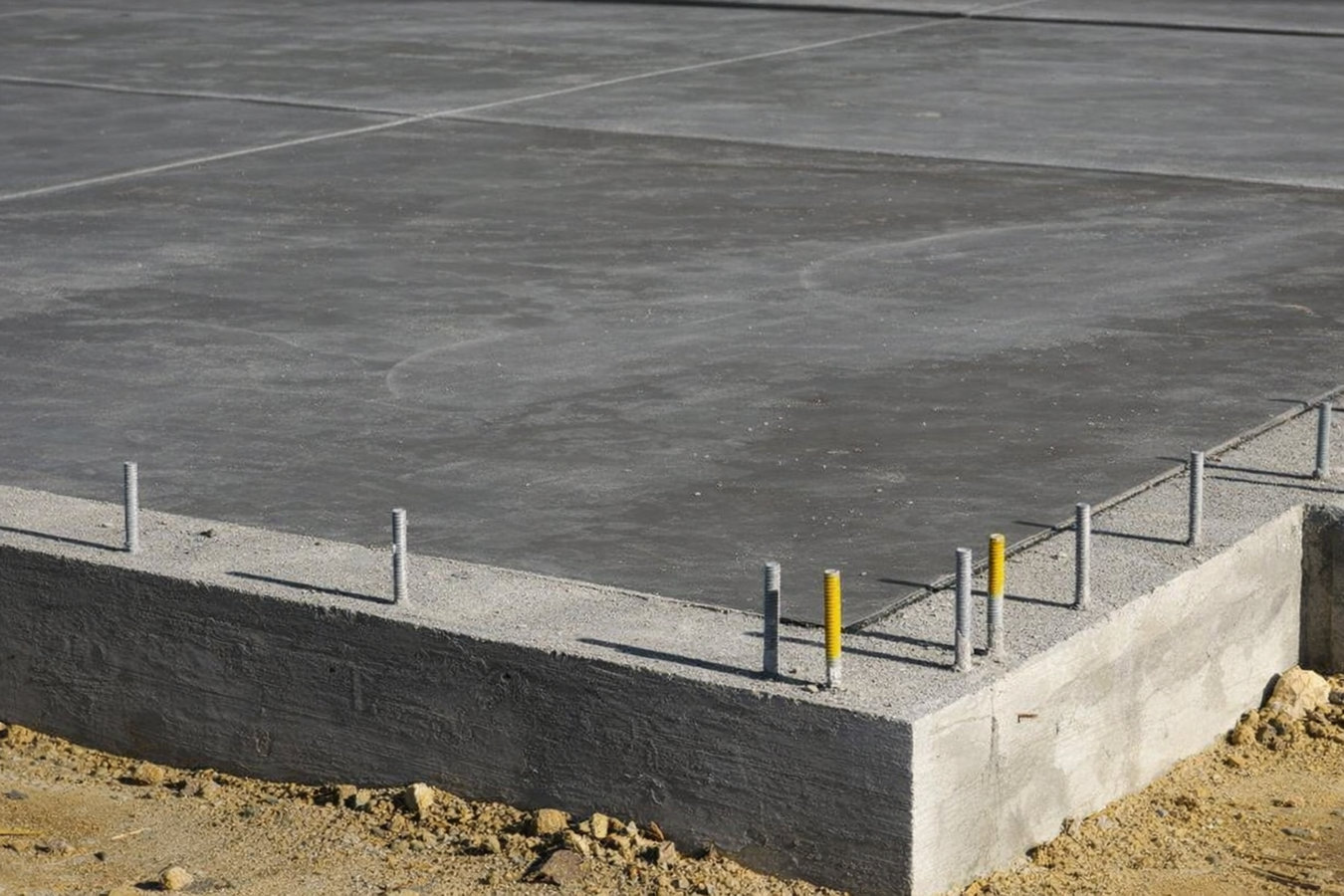
Starting a new build or replacing a failing slab? We pour foundations designed for Daytona Beach soil - properly permitted, inspected, and built to hold your home for decades.
Slab foundation building in Daytona Beach involves site grading, soil compaction, vapor barrier installation, steel or post-tension reinforcement, and a single concrete pour - most residential jobs take two to four weeks from permit approval to a cured, inspection-ready slab.
A slab foundation is the right choice for almost every new home in Daytona Beach. The flat terrain and high water table here make basement construction impractical - digging deep enough would mean digging into groundwater. Your house sits directly on the concrete, so the quality of what goes into that slab before the pour matters more than most homeowners realize. Sandy coastal soil, proximity to the Halifax River, and Florida's frequent heavy rains all create conditions that require specific preparation steps. If you are also planning adjacent structure work, our foundation installation service covers the full scope of new construction foundation work.
The City of Daytona Beach requires a permit and a pre-pour inspection for all new slab foundations. We handle both. No concrete goes down until the city inspector has verified the reinforcement placement and moisture barrier - that inspection is your protection against shortcuts.
If you notice cracks in your tile, hardwood, or concrete floor - especially diagonal cracks running from the corners of doorframes - your slab may be shifting. In Daytona Beach's sandy soil, this kind of movement is more common than in areas with denser ground, and it tends to get worse over time if ignored. Cracks wider than a quarter-inch, or cracks that are visibly growing, deserve a professional look.
When a slab shifts, the walls above it move with it - and one of the first things homeowners notice is that doors and windows suddenly become hard to open or close. This is especially common in older Daytona Beach homes from the 1960s and 1970s, where the original slabs have had decades of exposure to moisture and soil movement. If multiple doors started sticking around the same time, that pattern points to a foundation issue.
Daytona Beach's water table sits close enough to the surface that moisture can work up through a slab that was not properly sealed, or that has cracked over time. A persistent musty smell in rooms with tile or concrete floors, or white chalky deposits forming on your floor surface, means moisture is migrating through the slab. Left unaddressed, this creates conditions for mold and damages flooring, baseboards, and stored items.
If you have purchased land in Daytona Beach and are ready to build, a slab foundation is almost certainly the right starting point - it is the standard approach for new residential construction in this area. Before any framing begins, the slab must be in place and inspected. Starting this conversation early gives you time to get permits approved and schedule the work before Florida's summer storm season arrives.
We build new slab foundations for single-family homes, additions, garages, and accessory structures throughout Daytona Beach and Volusia County. Whether your project calls for a standard reinforced concrete slab or a post-tension system - which is the preferred choice for Florida's coastal sandy soil - we design the slab for your specific lot conditions, not a generic template. Every job includes site grading, proper compaction, vapor barrier installation, and a drainage plan. For projects that also require structural footings beneath load-bearing walls or attached structures, our concrete footings service handles that work as part of the same scope.
We manage the full permit process through the City of Daytona Beach Building Division and coordinate the Florida 811 utility-marking call before excavation begins. The pre-pour city inspection is a required step, and we schedule it - you do not have to track down the building department yourself. Once the slab passes inspection and reaches adequate strength, we confirm the permit is properly closed out so you have a clean record for the life of the home.
Suited for homeowners building a new home or adding a permitted structure to their Daytona Beach property.
The preferred option for Daytona Beach's sandy coastal soil - steel cables tightened after curing help the slab resist cracking as the ground shifts.
For older homes where the original 1960s or 1970s slab has cracked, settled, or developed moisture problems that cannot be cost-effectively repaired.
Properly tied into or separated from the main structure depending on engineering requirements, permitted through the city, and built to the same standard as your main foundation.
Daytona Beach sits on a coastal plain where the water table is often just a foot or two below the surface. That means moisture management is not a secondary concern - it is central to every slab we pour. We install a heavy-duty vapor barrier as a standard step on every job, and we verify the barrier is intact and positioned correctly before any concrete goes down. Homes near the Halifax River waterfront and in the low-lying neighborhoods west of US-1 are especially susceptible to ground moisture pushing up through an under-protected slab. The Post-Tensioning Institute maintains the industry standards we follow for post-tension systems, which are the right choice for Daytona Beach's shifting coastal soil.
A significant portion of Daytona Beach's housing stock was built between the 1950s and 1980s, and many of those original slabs are now showing their age - cracks, moisture infiltration, and uneven settling are common in homes from that era. We serve homeowners across Daytona Beach and the surrounding area, including Port Orange and DeLand, where soil and moisture conditions call for the same careful approach.
We come to your lot before quoting. Soil conditions, drainage, and access vary too much across Daytona Beach for a phone estimate to be accurate. You will receive a written quote that breaks out labor, materials, and permit fees separately - you should hear back within one business day of your inquiry.
We submit the permit application to the City of Daytona Beach Building Division on your behalf. Residential permits typically take one to two weeks to be reviewed and approved. We handle all communication with the building department - you do not need to make a single call to the city.
Once the permit is approved, we grade and compact your lot, set the forms, install the vapor barrier, and place the steel reinforcement. The city inspector visits the site to verify everything is positioned correctly before any concrete is poured - this inspection is a required step, not optional.
The pour itself happens in a single day. We protect fresh concrete from Daytona Beach's heat and sudden afternoon storms during the curing period. The city final inspection is scheduled once the slab is ready, and we close out the permit - you receive a clean paper trail that matters when you sell the home.
We visit your lot, assess your soil conditions, and give you a written estimate at no cost. No pressure, no commitment.
(386) 278-1096Volusia County averages around 50 inches of rain per year, concentrated in intense summer downpours. Every slab we pour includes a properly installed vapor barrier and drainage plan designed for that rainfall reality - not a generic Florida average. Moisture management is a core part of our process, not an upgrade.
Daytona Beach's sandy coastal soil shifts and settles more than the denser soil found inland. We regularly work with post-tension cable systems, which are the preferred reinforcement method for Florida's coastal conditions. A post-tension slab holds together as the ground beneath it moves - a critical advantage in this environment.
We handle the full permit process through the City of Daytona Beach Building Division, coordinate the pre-pour inspection, and close out the permit when the job is done. You get a clean paper trail - documented proof the work was done right - which protects your home value and keeps your insurance valid. Verify any Florida contractor license through the Florida DBPR before you sign anything.
Soil conditions in Daytona Beach vary block by block. We visit your lot and assess the actual ground conditions before we give you a number - no phone guesses. That means the price you receive reflects what your specific project actually requires, with no surprise charges once work begins because we did not look closely enough at the start.
Every one of those commitments traces back to the same thing: we work in Daytona Beach every day, and we know what this soil, this climate, and these inspectors require. That local knowledge is the difference between a slab that lasts 50 years and one that starts showing problems in five, and it is what separates a qualified concrete slab contractor from a generalist crew passing through.
Full foundation installation for new construction and additions, permitted through Volusia County and built for Florida's coastal soil conditions.
Learn moreProperly sized concrete footings that transfer structural loads into stable ground beneath Daytona Beach's sandy coastal soil.
Learn morePermit season fills up fast - reach out now and we will schedule your free on-site assessment before the summer storm window closes.