Concrete Pool Decks
Slip-resistant concrete pool decks built for Florida's wet season and UV exposure, with a surface finish that stays cool underfoot.
Learn more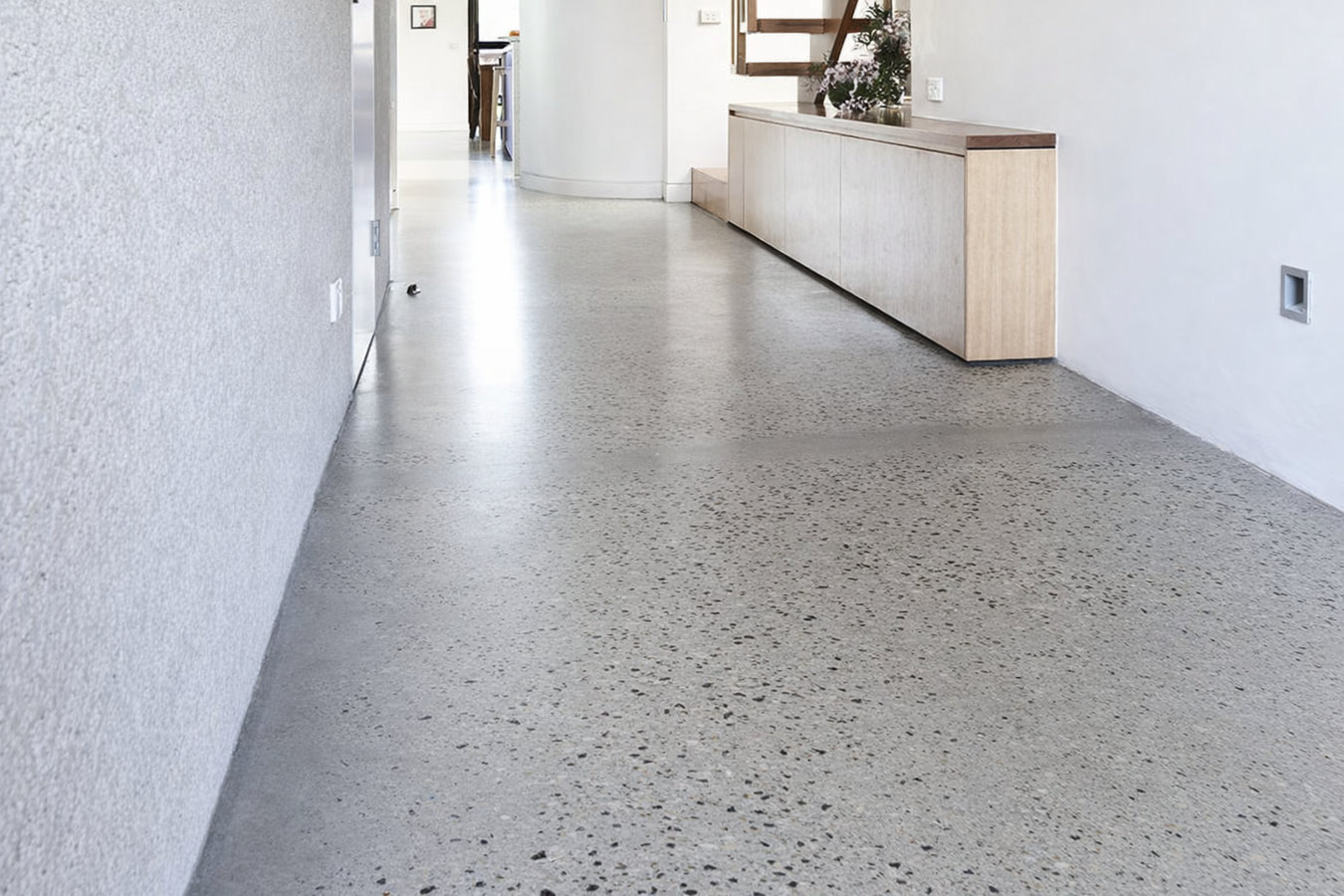
Cracked, uneven, or moisture-wicking floors? A properly installed concrete floor built for Daytona Beach conditions stays flat and solid for decades.
Concrete floor installation in Daytona Beach starts with preparing the ground - removing old material, compacting the soil, and sometimes adding a gravel layer and moisture barrier - then pouring, spreading, and finishing the slab before it sets. Most standard garage or utility floor projects take one to three days of active work, followed by a 24-to-48-hour wait before foot traffic and a full 28-day cure before the floor reaches its working strength.
The step most homeowners do not see - and that makes the biggest difference - is base preparation. Daytona Beach sits on loose, sandy coastal soil that does not hold a slab as firmly as denser soil does further inland. If the ground is not properly compacted before the pour, the floor can settle unevenly, develop cracks, or tilt within just a few years. That is the most common reason concrete floors in this area fail prematurely. If you are also updating your garage, our garage floor concrete service covers garage-specific slab replacement and resurfacing in one project.
In most cases, a building permit is required through the City of Daytona Beach - especially for interior floors attached to a structure. We handle the permit application and the city inspection so you never need to contact the building department yourself.
If you have filled the same cracks more than once and they keep reopening, the problem is not the surface - it is what is underneath. In Daytona Beach's sandy soil, the ground can shift under a slab and no amount of surface patching fixes a floor that has lost its foundation. Progressive cracking that gets wider over time is a clear sign the slab needs replacement.
Walk across your garage or utility floor and notice whether it feels level. A dip, a hump, or water pooling in spots after rain means the slab has moved. This is a common issue in older Daytona Beach homes where the original pour did not include adequate base preparation for local sandy soil conditions.
If the top layer of your concrete floor is flaking off in chunks or leaving a gritty powder underfoot, the surface has started to break down. In Florida's humid, salt-air environment - especially near the coast or the Intracoastal Waterway - moisture works into aging concrete and accelerates this kind of deterioration. Once it starts, it spreads.
If you notice damp spots or a wet sheen on your garage floor after a heavy storm - even with no water coming through the walls - moisture may be wicking up through the slab from below. Daytona Beach's high water table in low-lying neighborhoods near the river or coast makes this a recurring issue. A new floor with a proper moisture barrier underneath solves it.
We handle every step: breaking up and hauling away the old slab if needed, grading and compacting the base, installing a moisture barrier where the site warrants it, pouring the slab, and finishing the surface. Most of our floor work uses a broom or trowel finish - practical, durable, and suited for garages, utility rooms, workshops, and covered patios. For homeowners who want more, we also offer stamped and polished finishes that transform a plain slab into a clean, attractive surface. We can also link your floor project with concrete pool deck work if you are updating your outdoor space at the same time.
Scheduling matters in Daytona Beach. We time our pours to avoid peak afternoon heat and plan projects with the hurricane season window in mind. Concrete that cures in cooler morning hours, away from peak UV and humidity, produces a stronger, longer-lasting floor. The Portland Cement Association explains why curing conditions matter so much for finished floor quality.
The most common and practical choice for garage and utility floors - slip-resistant, easy to clean, and cost-effective.
A smooth, dense surface suited for spaces being converted to workshops, gyms, or finished rooms where a cleaner look matters.
For homeowners who want a decorative surface on a covered patio, lanai, or entryway - patterns can mimic tile, stone, or brick.
Recommended for low-lying neighborhoods near the Halifax River or Intracoastal Waterway where groundwater sits close to the surface.
A significant portion of Daytona Beach's housing stock was built between the 1950s and 1980s - homes from that era often have thinner slabs poured to older standards, without the moisture barriers or base preparation that modern floors require. When we remove an old slab in one of these homes, we sometimes find drainage issues or a compromised base that was not visible from the surface. We account for that in our estimates and communicate any changes clearly before doing additional work. Daytona Beach's heat and humidity also affect how concrete cures - we start pours in the early morning to avoid the afternoon sun and reduce the risk of the surface setting too fast.
We serve homeowners throughout the Daytona Beach area, including neighborhoods in Port Orange and Deltona. If you want to verify permit requirements or check a contractor's license before hiring, the Florida Department of Business and Professional Regulation has a free online lookup tool.
We respond within 1 business day to schedule a site visit. We check your existing floor, soil conditions, and drainage before giving you a written quote - phone estimates without a site visit are rarely accurate for this type of work.
After the visit you receive a written estimate covering demo, base prep, the pour, and any permit fees. If the City of Daytona Beach requires a permit, we pull it before work begins - you should not have to contact the building department.
The crew removes and hauls the old slab if needed, compacts the base, installs a moisture barrier where appropriate, and pours the floor. We schedule the pour for the morning to avoid peak afternoon heat.
The floor needs 24 to 48 hours before foot traffic and at least a week before vehicles. If a permit was pulled, the city inspector signs off before we close out the project. We walk you through care instructions, including when and how to apply a sealant.
We come to your property, assess your existing slab and soil, and give you a written quote before any work begins.
(386) 278-1096Daytona Beach's sandy soil does not compact or hold a slab the way denser soils do. We take extra time compacting the base and adding gravel before the pour, because a floor that settles unevenly in the first few years almost always traces back to a base that was rushed. This is the step most homeowners cannot see - and the one that matters most.
In low-lying Daytona Beach neighborhoods near the Halifax River and Intracoastal Waterway, groundwater sits close enough to the surface to wick up through an unprotected slab. We include moisture barriers on jobs where the site warrants it - not as an upsell, but because leaving one out in these neighborhoods produces a floor that stays damp and degrades faster.
We pull required City of Daytona Beach permits before any crew arrives and coordinate the city inspection at the end. Unpermitted floor work can delay or kill a home sale - having the permit on record protects your investment. You should not have to navigate that process yourself when you hire a licensed contractor.
Summer in Daytona Beach means concrete that cures too fast if poured in the afternoon heat. We schedule pours for the early morning and use curing compounds when needed to slow the drying process. Slower curing means a denser, stronger floor. The National Ready Mixed Concrete Association sets quality standards for concrete mixes in demanding climates like Florida's, and we source accordingly.
These are the specifics that separate a floor that lasts 30 years in Daytona Beach's climate from one that needs attention within five. We do this work in this city every week, and we build each floor to the standard this environment demands.
Slip-resistant concrete pool decks built for Florida's wet season and UV exposure, with a surface finish that stays cool underfoot.
Learn moreDedicated garage slab replacement and resurfacing designed to handle vehicles, Florida humidity, and the occasional flood of rainwater.
Learn moreOur calendar fills up fast before the busy spring season - call today or request a free estimate and we will respond within 1 business day.