Concrete Cutting
When foundation raising reveals sections of slab that need to be opened or removed, precise concrete cutting handles the next step cleanly.
Learn more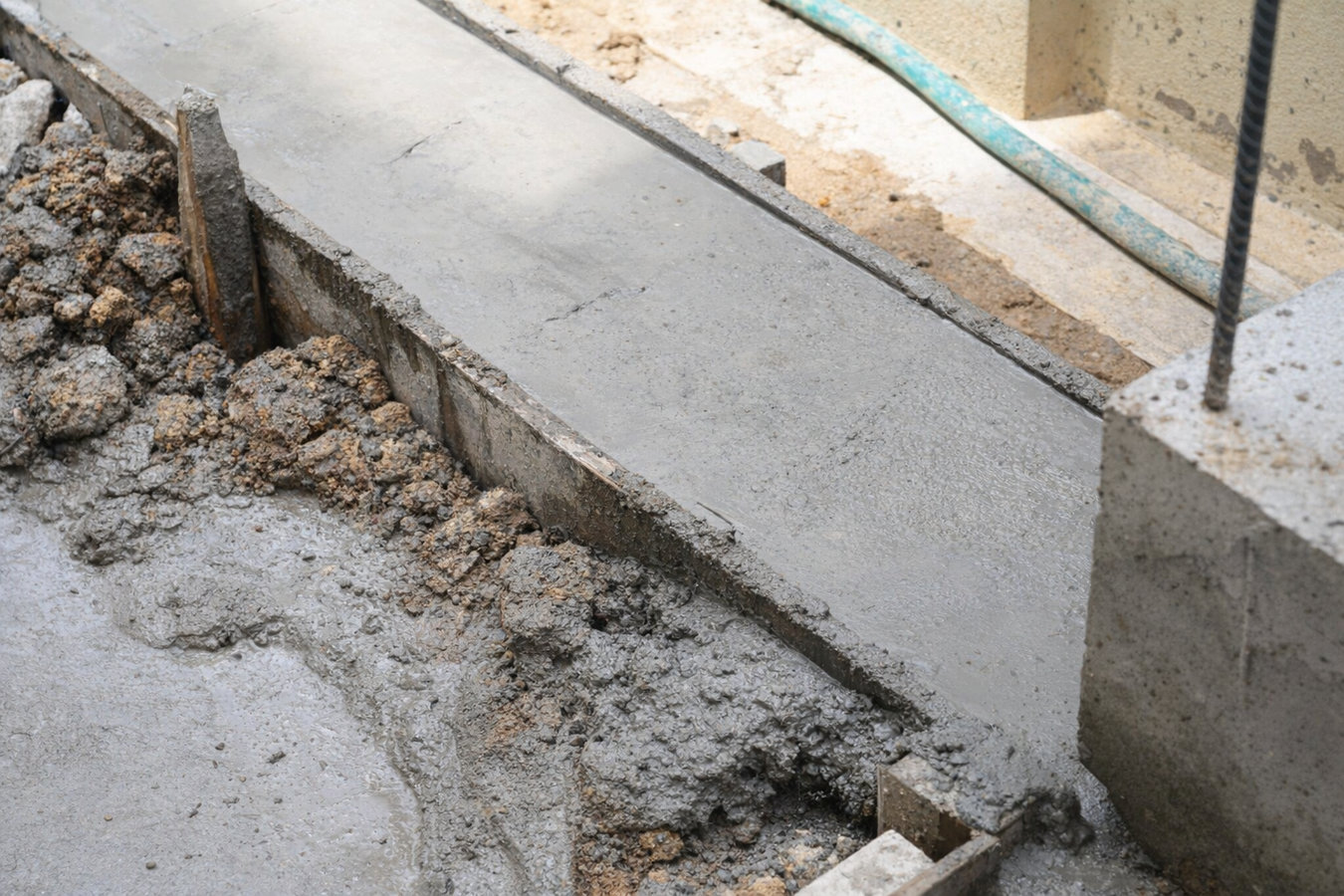
Your foundation is sinking and the signs are everywhere. Get it lifted and stabilized with a pier system built for Daytona Beach's sandy soil - before the next storm season makes it worse.
Foundation raising in Daytona Beach lifts a home that has sunk or settled unevenly back toward its original level position - most jobs take one to three days using pier systems that reach past the unstable sandy surface soil to stable ground below, and are completed under a Volusia County building permit with a county inspection before the work is buried.
When a foundation settles, the whole house shifts with it. Doors that used to swing freely start dragging. Windows jam. Cracks appear in drywall near door frames and corners. Floors that felt solid start to feel springy in certain spots. These are not cosmetic problems - they are your home telling you the ground underneath it has moved. Foundation raising in Daytona Beach addresses the cause directly by supporting the foundation from below, using steel piers driven into stable soil that does not shift with Florida's wet and dry seasons. If the issue has advanced to the point where structural repairs are also needed, our slab foundation building service may be the right next step after stabilization.
We handle the Volusia County permit application, walk you through exactly what we find before any work starts, and give you a written estimate that spells out the method, the number of support points, and what the warranty covers. No work begins until you understand and approve everything.
If a door that used to swing freely now drags on the floor or a window that opened easily now jams, that is often one of the first signs a foundation has shifted. In Daytona Beach, this symptom frequently appears after a heavy rainy season when the sandy soil beneath the home has absorbed and then released a large amount of moisture. If it does not resolve when dry weather returns, the foundation is worth checking.
Diagonal cracks running from the corners of door frames or windows toward the ceiling are a classic sign of foundation movement - the house is flexing in a way it was not designed to. Hairline cracks in drywall are common and often harmless, but cracks wider than a pencil tip, or cracks that grow over time, deserve a professional look. In older Daytona Beach homes built on shallow slab foundations, this pattern is especially worth taking seriously.
Walk slowly through your home and pay attention to whether the floor feels level. If you notice a marble would roll toward one side of a room, or if certain spots feel soft or bouncy underfoot, the foundation beneath that area may have dropped. This is particularly common in Daytona Beach homes near low-lying areas where the water table fluctuates with the seasons.
If you notice a visible gap where an interior wall meets the ceiling, or where baseboards have pulled away from the floor, the structure is moving in ways it should not be. These gaps mean different parts of your home are settling at different rates. In Daytona Beach's sandy soil, this kind of uneven settling is more common than in areas with more stable ground, and it tends to get worse after each wet season.
We offer pier-based foundation raising for residential homes across Daytona Beach and Volusia County. Pier systems drive steel supports deep into the ground past the unstable sandy surface soil to stable material below - the layer that does not shift with Florida's rainfall cycles. This is the method most often recommended in Daytona Beach because it addresses the actual cause of settling rather than just pushing material back under the slab. For homes where the settling is limited and the soil conditions allow it, mudjacking - pumping a cement-based slurry under the slab to push it back up - is also available as a lower-cost option, though it is not always the right choice for Daytona Beach's coastal sandy soils. Concrete cutting is sometimes needed as a companion service when sections of slab need to be opened before or after the lift.
Every job starts with an on-site assessment where we walk through your home and around the exterior, check floors for level, look at cracks and gaps, and assess your lot's drainage situation. We then give you a written estimate that explains what we found, what we recommend, how many support points are involved, and what the warranty covers. The Foundation Repair Association publishes standards and best practices for foundation repair work - we follow current industry guidelines on every job.
Best for Daytona Beach's sandy coastal soil - piers are driven to stable ground below the shifting surface layer for a long-term fix.
Suited to smaller, less severe settling where soil conditions allow - a lower-cost option for limited areas of a slab that have dropped.
Works for homeowners who want an honest evaluation of what is happening before committing to any repair method or cost.
For homeowners selling in the next few years who need documented, permitted foundation work with a transferable written warranty.
Daytona Beach sits on a coastal plain where the soil is largely fine sand with low load-bearing capacity. That soil expands when wet and compresses when dry - a cycle that repeats every year during Florida's June through September rainy season and then reverses when the dry months arrive. The water table in many Daytona Beach neighborhoods sits close to the surface, which means soil beneath foundations is regularly saturated and then drained. Homeowners near the Halifax River and low-lying areas west of US-1 are especially likely to see this pattern show up as uneven floors or sticking doors after a wet season. Large portions of Daytona Beach's residential stock - including areas near Midtown and the historic districts - were built in the 1950s through the 1970s using foundation designs that did not anticipate decades of this cycle, which is why settled foundations are common in these neighborhoods. Ormond Beach homeowners face the same soil conditions and see similar foundation issues in their established neighborhoods.
Hurricane and tropical storm exposure adds another layer of risk. Storm surge, flooding, and soil saturation during a major storm can dramatically accelerate foundation movement that was already happening slowly. After Hurricane Matthew in 2016 and Hurricane Ian in 2022, Volusia County saw a surge in foundation assessments from homeowners who noticed new cracks and sticking doors in the months after the storms. If your home flooded during a named storm, having the foundation evaluated is a reasonable precaution - even if the visible damage seemed minor. Port Orange residents deal with the same post-storm foundation risk, and we serve the full area surrounding Daytona Beach.
We ask a few basic questions: how old is your home, what symptoms have you noticed, and whether you have had any recent flooding or storm damage. We reply within one business day and schedule a free on-site visit - no commitment required to book the assessment.
We walk through your home and around the exterior, check floors for level, examine cracks, and assess your drainage situation. At the end of the visit we explain in plain terms what we found and what we recommend - then follow up with a written estimate spelling out the method, support points, and warranty before any work is scheduled.
We file the Volusia County building permit application and wait for approval before scheduling the crew. You should not have to contact the building department at all - we handle it. Work does not begin without a permit in hand, and we confirm that with you before your job date.
The crew drives piers or injects material as agreed, monitors the lift carefully, and restores the work area before leaving. We then walk you through every support point, explain what was done, and hand you the written warranty - so you know exactly what is covered and for how long.
Free on-site assessment. Written estimate before any work starts. No pressure to commit.
(386) 278-1096Daytona Beach's fine sandy soil has lower load-bearing capacity than the dense clay or rock-based soils found in other parts of Florida - which means pier depth and spacing matter more here than in most markets. We spec every job to the actual soil conditions we find on your property, not a generic plan.
Foundation raising in Daytona Beach requires a Volusia County building permit and an inspection before the work is buried. We file the permit application and coordinate the inspector - you never have to contact the building department yourself. Unpermitted foundation work creates real problems at resale, and we will not put you in that position.
A large share of homes in Daytona Beach's established neighborhoods were built in the 1950s through 1970s on foundation designs that predate current knowledge of Florida's soil behavior. We work in these neighborhoods regularly and understand the specific settling patterns, drainage challenges, and repair approaches that work in older Volusia County housing stock.
Every foundation raising job comes with a written warranty that spells out what is covered and for how long. The Florida DBPR maintains public records of licensed contractor standing - you can verify our license before you sign anything. Warranties on pier installations are transferable if you sell, which matters to buyers and their lenders.
These are not abstract promises - they are the things homeowners in Daytona Beach actually need from a foundation contractor working in this soil, this climate, and under this county's permit process. When you call us, you get a straight answer about what we found and what it will cost.
When foundation raising reveals sections of slab that need to be opened or removed, precise concrete cutting handles the next step cleanly.
Learn moreIf raising reveals a foundation beyond repair, a new slab foundation replaces it with materials and methods sized for current Florida building requirements.
Learn moreFoundation settling gets worse over time - call now to schedule a free on-site inspection and get a written estimate you can compare.