Concrete Footings
Build the structural base your lot edges, columns, and site features need to stay stable in sandy coastal soil.
Learn more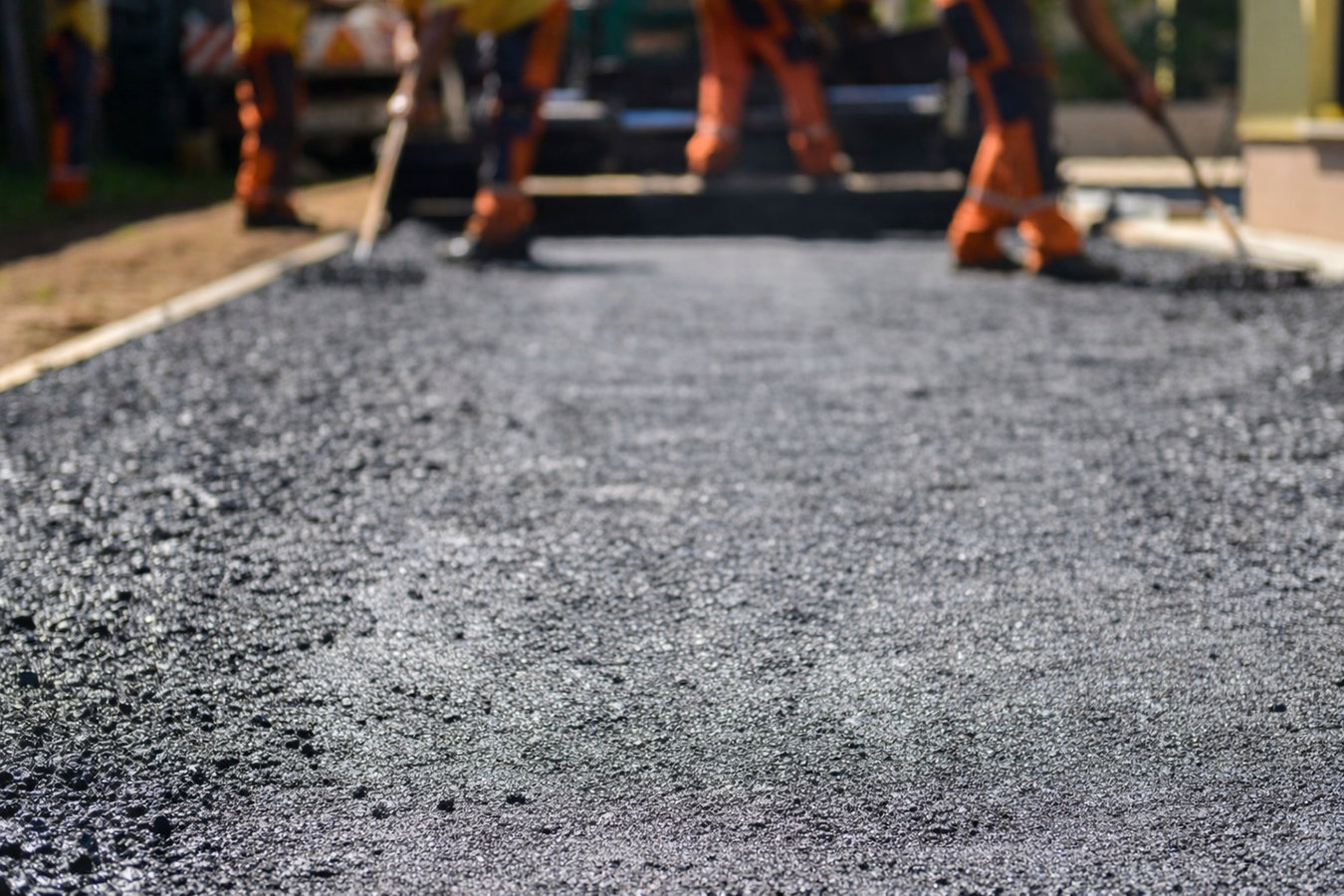
Tired of gravel that washes away, asphalt that cracks, or a dirt lot that turns to mud every summer? Get a concrete parking lot built for Daytona Beach conditions - proper drainage, solid base, and permitted work that lasts.
Concrete parking lot building in Daytona Beach involves removing any existing surface, grading the ground for drainage, compacting a base layer suited to coastal sandy soil, and pouring a reinforced slab - most residential and small commercial lots take three days to two weeks of active work, with the bulk of that time waiting for the concrete to cure before vehicles can use it.
If you are dealing with a gravel lot that turns to mud after every summer storm, an asphalt surface that is crumbling apart, or bare dirt that tracks into your home or business, a concrete surface is the one-time fix that eliminates those problems permanently. Parking lot concrete in Daytona Beach has to handle the same conditions every outdoor slab here faces: intense heat, roughly 50 inches of rain per year, and sandy coastal soil that moves more than what you find further inland. A lot built without accounting for those conditions tends to show cracks and settling within a few years - sometimes sooner. If your project also involves a connected driveway or access point, our concrete driveway building service pairs naturally with parking lot work.
We pull the City of Daytona Beach building permit, handle any required Volusia County stormwater review for larger lots, coordinate the city inspection at the close of the job, and give you a written schedule before work begins. You should not have to chase down a building department on your own.
If you can see cracks wider than a finger, or chunks of the surface are lifting and crumbling, patching won't fix the underlying problem. In Daytona Beach's sandy soil, once a surface starts shifting it tends to get worse quickly - especially after the heavy rains of summer. A full replacement is usually more cost-effective than repeated repairs at that point.
Daytona Beach gets intense afternoon thunderstorms, and if your parking area turns into a shallow lake after every one, the drainage slope is wrong or the surface has settled unevenly. Standing water damages the surface over time and creates a slip hazard. This is a sign the lot either was not built correctly or has shifted enough to need rebuilding.
Loose gravel and dirt surfaces track mud into your home or business, create dust in dry weather, and wash away during Florida's heavy rains. A concrete surface eliminates all of that and is far easier to keep clean year-round. If you have been putting up with a gravel lot, the improvement from concrete is immediate and noticeable.
Salt air and humidity along the Daytona Beach coast gradually roughen and pit older surfaces, making them look neglected even after cleaning. If the surface texture has deteriorated to the point where it is difficult to walk on safely or looks seriously worn, it may be past the point where sealing or resurfacing makes sense.
We build new concrete parking lots and replace failing surfaces for residential and small commercial properties across Daytona Beach. Every project starts with demolition and removal of the old surface, proper grading to establish the right drainage slope, and a compacted base layer of gravel designed to handle sandy coastal soil conditions. The concrete slab itself includes steel reinforcement - rebar or welded wire mesh - to hold any future cracks together and keep the slab stable over decades of use. We cut control joints into the finished surface to manage where cracking is allowed to happen, so it happens in a predictable, contained way rather than randomly across the lot. Concrete footings are available for any structural columns, posts, or edges your lot design calls for.
Finish options range from a standard broom-finished surface - practical, slip-resistant, and easy to maintain - to a brushed exposed aggregate look for properties where appearance matters. We apply a quality concrete sealer at completion, which is particularly important for lots near the Atlantic coast where salt air works on unprotected surfaces. The American Concrete Pavement Association maintains best-practice standards for concrete lot construction, and we follow those guidelines on every project.
Best for properties replacing gravel, dirt, or badly failed asphalt with a permanent, low-maintenance surface.
Suited for property owners ready to move away from a resurfacing cycle and invest in a longer-lasting solution.
Good for households or businesses adding vehicles, trailers, or RVs that need more paved parking space.
Works well for lots that currently pool water after rain and need the drainage slope corrected as part of the rebuild.
Daytona Beach gets roughly 50 inches of rain per year, with the heaviest concentrated in summer afternoon thunderstorms from June through September. A parking lot without a properly engineered drainage slope will pool water fast after every storm - creating a slip hazard, accelerating surface damage, and potentially contributing to flooding on adjacent property. Volusia County also has stormwater management requirements that apply when you are adding a new paved surface, because impervious pavement means rainwater that used to soak into the ground now runs off somewhere else. A contractor who does not account for this as part of the design and permitting process is creating a problem for you down the road. Homeowners in Port Orange face the same drainage requirements, as the county rules cover the entire area.
The coastal sandy soil that most of Daytona Beach sits on requires a more substantial base layer than what a contractor might use in a city with denser, more stable soil. Skip that step, and the slab shifts and cracks within a few years - especially through the wet-dry cycle of Florida's rainy and dry seasons. Properties along the beachside, near Atlantic Avenue, and across communities like Ormond Beach also contend with salt air that can degrade an unsealed concrete surface over time. We work in this environment year-round and know exactly what local conditions demand.
We come to your property, measure the area, check the existing surface and soil conditions, and ask how you plan to use the lot. You receive a written quote - you will hear back from us within one business day of your first contact.
Once you approve the quote, we apply for the City of Daytona Beach building permit and handle any required Volusia County stormwater review. Permit approval typically takes one to three weeks - we keep you updated throughout.
On the first day of active work, the crew removes the old surface, grades the ground for drainage, and compacts a base layer of gravel. This prep work is the foundation of a lot that holds up - we take our time with it.
The slab is poured, finished, and expansion joints are cut in. After a curing period - plan on keeping vehicles off for at least seven days - the city inspector signs off and you are ready to use your lot.
We give you a written estimate after an in-person site visit - no surprises on price, and we handle the permit process start to finish.
(386) 278-1096Every lot we build is sloped and graded for the rainfall Daytona Beach actually gets - roughly 50 inches per year, concentrated in intense summer storms. That means water moves off the surface the way it is supposed to, every time it rains. A lot that does not drain correctly is a liability the first summer it is in use.
Daytona Beach's coastal sandy soil compacts differently than denser inland soils, and a base that is rushed or undersized will let the slab shift within a few seasons. We compact the base to the depth and density that local conditions actually require - not to a generic standard written for a different part of the country. That step is what separates lots that crack at year three from ones that hold up for decades.
We pull the City of Daytona Beach building permit, manage any Volusia County stormwater review for larger lots, and schedule the city inspection at the close of the job. You should not need to visit a building department or make a single call to a permit office. Permitted work creates a legal record that protects you when you sell the property or need to file an insurance claim.
Salt air from the Atlantic gradually degrades unsealed concrete surfaces - pitting the surface and accelerating wear. We apply a sealer suited to coastal Florida conditions at the end of every lot project. The Portland Cement Association recommends sealing as part of standard concrete maintenance in coastal environments, and we build that step into every job here.
Every lot we pour is built with the same attention to drainage, base prep, and finishing that the local environment demands. We work in Daytona Beach year-round and know the conditions that make concrete work here succeed or fail.
Build the structural base your lot edges, columns, and site features need to stay stable in sandy coastal soil.
Learn moreExtend your property access with a concrete driveway that uses the same drainage and base prep approach as your lot.
Learn morePermit season fills up quickly - lock in your project before summer rains arrive and construction schedules get backed up.