Concrete Driveway Building
After cutting removes a damaged driveway section, a new pour restores the full surface with proper base prep and control joints for Daytona Beach conditions.
Learn more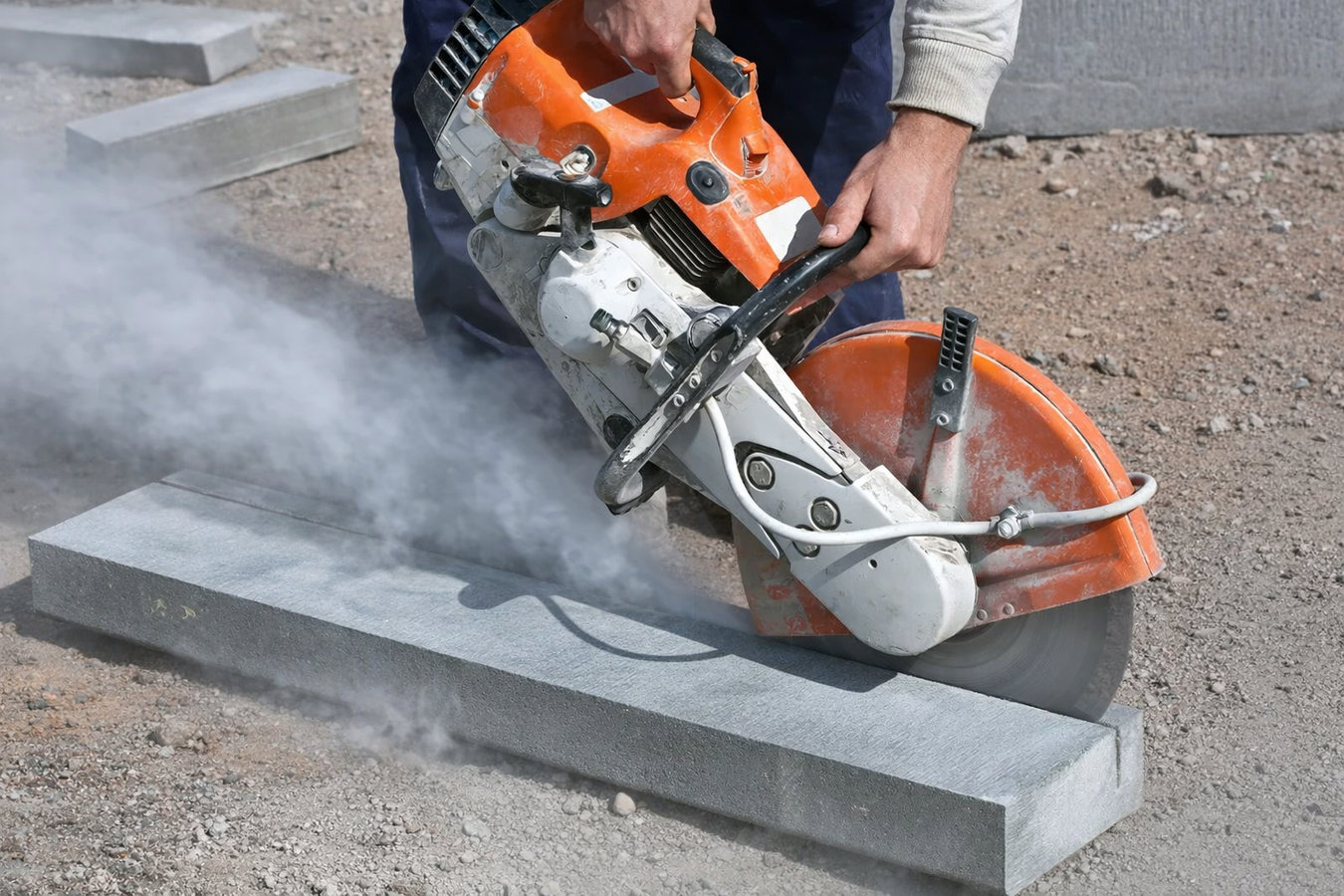
Post-tension cables hide inside most Daytona Beach slabs built after 1985. We scan before we cut - every single time - so a routine job stays routine and your property stays intact.
Concrete cutting in Daytona Beach uses diamond-blade saws to slice cleanly through slabs, walls, or pavement - most residential jobs take two to six hours of active cutting, are preceded by a slab scan to locate any post-tension cables or buried utilities, and are followed by full slurry cleanup before the crew leaves your property.
Concrete cutting is the step that comes before a lot of other projects. A plumber needs access to the pipes under your floor. A damaged section of your driveway or pool deck needs to come out before new concrete goes in. A garage conversion requires a clean opening cut through a block wall. In Daytona Beach, there is an extra variable that many homeowners do not know about: homes built since the mid-1980s often have post-tension cables - steel cables stretched tight inside the slab - and cutting through one can crack the entire floor. That is why slab scanning is not optional here. If the project you are planning will lead to a full replacement pour, our concrete driveway building and concrete parking lot building services are natural next steps after the cut is complete.
We handle City of Daytona Beach permit applications when the scope of work requires one, and we manage the full cleanup - the wet concrete slurry produced by cutting cannot be washed into the storm drain, and a professional crew collects and hauls it away so your property is clean when we leave.
If a contractor has told you they need to run a new pipe or conduit under your floor, concrete cutting is how they get access. You'll know this is the situation when someone says they need to 'open up the slab.' This is one of the most common reasons Daytona Beach homeowners call a concrete cutting crew, and it usually needs to be scheduled before the plumber or electrician can complete their part of the job.
When the sandy soil under a Daytona Beach slab shifts, one panel can rise while the adjacent one drops, leaving a lip that catches feet and wheels. Concrete cutting removes the raised section cleanly so it can be re-poured level. If you have noticed a ridge or step where your driveway used to be flat, that is a clear sign cutting is part of the fix.
Not all cracks mean the whole slab needs replacing. When cracks are concentrated in one spot - often near a corner or along a control joint - a contractor can cut out just that section and replace it. If the cracks are wider than about a quarter inch or you can feel a height difference between the two sides, it is time to get an assessment and plan the repair.
Pool decks in Daytona Beach take a beating from chlorine, salt air, and intense Florida sun. When a section has crumbled, heaved, or become unsafe, cutting it out cleanly is the first step before new concrete can be poured. If you are noticing soft spots, crumbling edges, or sections that rock underfoot around your pool, that is your signal to call.
We cut residential and commercial concrete slabs, driveways, pool decks, garage floors, and concrete block walls across Daytona Beach and Volusia County. Every job starts with a slab scan - using ground-penetrating radar or a similar tool to map what is inside the concrete before we cut - because skipping this step is how small jobs become expensive disasters in Daytona Beach's post-tension slab environment. We use wet cutting as the standard approach, which cools the diamond blade and traps the fine concrete dust that would otherwise spread across your property and into your home. Cuts are made along marked lines with equipment sized to the thickness of your concrete - not a single blade size for every job. The Concrete Sawing and Drilling Association sets industry standards for safe, professional cutting practice - the standards we follow on every job.
Concrete cutting is usually the first step in a larger project, and we coordinate with the next trade when needed. If a permit is required for your scope of work - which it often is when cutting involves structural elements or utility access under the slab - we handle the City of Daytona Beach permit application and schedule any required inspection. The OSHA crystalline silica standard requires dust controls on concrete cutting work - our wet cutting approach and slurry cleanup procedures meet that standard on residential and commercial sites.
Best for opening driveways, garage floors, patios, and pool decks - whether to remove a damaged section or provide access for a plumber or electrician.
Suited for garage conversions, new doorways, and window openings cut through concrete block or poured concrete walls in older Daytona Beach homes.
Required for any home in Daytona Beach built from the mid-1980s onward - we scan the slab and map cables before any blade touches the concrete.
Works for homeowners replacing a cracked or heaved panel of driveway, patio, or pool deck without disturbing the surrounding concrete.
Two things make concrete cutting in Daytona Beach different from most other markets. First, much of the residential construction in Volusia County built since the 1980s uses post-tension slabs - steel cables stretched tight inside the concrete. Cut one by accident and the damage can spread across a large section of your floor. A contractor who works in Daytona Beach regularly knows to ask about the home's age, scan the slab as a standard step, and show you the results before cutting begins. Second, the combination of humid salt air, intense UV exposure, and Daytona Beach's roughly 50 inches of annual rainfall accelerates concrete wear significantly compared to inland Florida cities. This means cutting jobs come up sooner and more often here - cracked driveways, deteriorated pool decks, and heaved patio sections are a common outcome of the climate. Daytona Beach homeowners near the beach see this deterioration most acutely due to salt air exposure from the Atlantic.
Hurricane season also drives a surge in concrete cutting requests every fall. Storm damage to driveways, pool decks, and garage floors across Volusia County is common after significant storms - Hurricane Matthew in 2016 and Hurricane Ian in 2022 both left widespread concrete damage in the area. Scheduling your project before June, the start of hurricane season, typically means shorter wait times and more contractor availability. After a major storm, licensed crews book up quickly. Port Orange residents face the same post-storm demand surge, and we serve the full surrounding area.
We ask a few basic questions: what are you cutting, where is the concrete, and do you know if the slab has cables or pipes underneath. You do not need to know all the answers. We reply within one business day and let you know whether a site visit is needed before we can price the job.
We come out to look at the concrete in person - check thickness, note signs of prior damage, and assess anything nearby that needs protection. In Daytona Beach, we ask about the home's age to determine whether post-tension scanning is needed. You get an itemized written quote before any work is scheduled.
Before the blade touches your concrete, we scan the slab to locate buried cables, pipes, and conduit. This takes 15 to 30 minutes and is non-negotiable for safe work in Daytona Beach's post-tension slab environment. We show you the scan results so you know exactly what is inside your concrete.
We cut along marked lines with the right blade for your slab thickness, using wet cutting throughout to control dust. The slurry is vacuumed up and hauled away - not left on your property or washed into the street. We walk the finished cut with you before we leave and coordinate next steps with your plumber, contractor, or inspector.
We scan before we cut. Written quote before any work starts. Full cleanup included.
(386) 278-1096In a market where a large share of homes built since 1985 have post-tension cables inside the slab, skipping the pre-cut scan is how a routine job turns into a structural emergency. We scan every slab before cutting as a standard part of the job - not something you have to ask for or pay extra for separately.
Structural concrete cutting in Daytona Beach often requires a permit from the city's Development Services department, and we handle that application on your behalf. A permit means an inspector verifies the work is correct - which protects your investment and prevents problems at resale. We know exactly which scope of work triggers a permit requirement in this jurisdiction.
Volusia County has experienced real hurricane damage - including from Hurricane Matthew in 2016 and Hurricane Ian in 2022 - that left widespread concrete damage across the area. We have worked in Daytona Beach through multiple post-storm repair seasons and understand the urgency and logistics that come with high-volume post-storm work in this market.
Concrete cutting produces a wet slurry of water and fine concrete dust that cannot be washed into a storm drain and cannot be left on your driveway. In Daytona Beach's warm, breezy conditions, concrete dust travels fast if it is not controlled. We vacuum up the slurry and haul it away on every job - your property is clean before we leave.
These are the specific things that matter in Daytona Beach - post-tension slabs, permit requirements, storm repair experience, and proper cleanup. When you call us, you get a crew that has worked in this market long enough to know what goes wrong here and how to prevent it.
After cutting removes a damaged driveway section, a new pour restores the full surface with proper base prep and control joints for Daytona Beach conditions.
Learn moreCommercial and multi-unit property owners needing sections of a parking lot cut out and replaced can combine cutting and repour into a single project.
Learn moreHurricane season brings a rush of repair work every fall - call now to get on the schedule and get your project done on your timeline.